Kidney Health 101 – Why Are Kidneys So Important to your Body?
March 9th is World Kidney Day. What are kidneys and why are they so integral to our health? The kidneys are responsible for a variety of essential bodily functions. From release the hormone that produces red blood cells to activating vitamin D for your bones, the kidneys are a mixed bag. However, the kidneys’ primary function is waste management or filtration.
Blood flows through the kidneys and any waste or toxins in red blood cells are filtered out by the kidneys’ inner workings. The filters specific to the kidneys are called nephrons. And those nephrons handle over one hundred quarts of blood, which in turn filters out about a quart or two of urine. A lot of people think that the bladder is responsible for urine when urine is actually made in the kidneys; the bladder is primarily used for storage. This is why the kidneys are so essential to bodily function as no other organ can filter out waste. If your kidneys were to fail in any way, you would go through severe discomfort and potentially life-threatening illness.
Kidney failure or kidney disease can either happen on its own or as a symptom of another disease such as diabetes. With kidney failure, you may experience dehydration, an allergic reaction, or a severe infection such as sepsis. Some of the symptoms of kidney failure include:
– Nausea
– Swelling of your legs, ankles, or feet
– Shortness of breath
– Drowsiness or fatigue
– Less urine than usual
There are two common ways to treat kidney failure. One treatment option is surgery; put on a long waitlist to receive a kidney transplant. Another option is dialysis, where a machine or catheter essentially replaces your kidneys and filters your blood.
To make sure that you don’t end up needing surgery or a machine, what can you do now to keep your kidneys healthy? A few common tips include:
– Limiting sodium consumption to less than 2,300 milligrams a day
– Cutting down on alcohol intake
– Controlling blood glucose, blood pressure, and cholesterol
– Being physically active
– Eating heart healthy foods
Diet is crucial not just to our overall health, but for kidney health as well. Eating healthy food and steering clear from unhealthy habits like smoking or drinking will prevent your kidney from working overtime or shutting down.
Easing Alzheimer’s with Art Therapy
If you are a caregiver for someone with Alzheimer’s disease, you might think about getting creative and exploring the benefits of art therapy as a release from the frustration of coping with Alzheimer’s symptoms. “Although Alzheimer’s disease results in diminished cognition and function, art therapy can engage the brain of people with Alzheimer’s disease and promote interpretive and expressive abilities,” says Warachal Faison, MD, clinical services director for the Alzheimer’s Research.
Art therapist Ruth Abraham, author of When Words Have Lost Their Meaning: Alzheimer’s Patients Communicate Through Art, “Art therapy has been shown to be a powerful toll for people with Alzheimer’s. It helps them to express their feelings when they can no longer do so with words. This use of art helps people with Alzheimer’s feel less lonely and isolated. It can also calm their restlessness.”
Art therapy might be particularly beneficial to people with Alzheimer’s disease because though they gradually lose the ability to express themselves with words, other parts of their brain that deal with colors and composition can still be used and developed. Even people with advanced Alzheimer’s disease can continue to create art.
How does art therapy help someone with Alzheimer’s?
– New way to communicate: Art therapy allows people with Alzheimer’s disease to connect with others in a different, non-verbal way. And it’s a healthy method of helping your loved one to express thoughts and feelings while letting go of some of the negative emotions they may be experiencing.
– Improved concentration: Art therapy focuses on other possibly untapped areas of the brain and helps to improve concentration in people with Alzheimer’s. Art therapy emphasizes abilities that are still available and can be developed rather than focusing on those that have been lost.
– Better behavior: Both viewing and creating art can have a calming effect on someone with Alzheimer’s disease.
– Closer relationships: Art therapy can bring a caregiver and a loved one with Alzheimer’s disease closer together. When other methods of contact become difficult, art therapy reminds the caregiver that the person with Alzheimer’s is still there.
How can caregivers utilize art therapy at home?
– Make an art project part of your regular routine: Don’t worry about the result, just let the person with Alzheimer’s enjoy the process.
– Provide safe and non-toxic materials: Watercolors a good choice for painting. Adult coloring books have gotten very popular lately; crayons or coloring pencils are suitable materials for those with Alzheimer’s to use.
– Establish friendships: Enroll your loved one in an art class with other people who have Alzheimer’s. This will help your loved one get involved with others and give you a much-needed break. You can also look into adult day care centers as they have plenty of art therapy classes.
– Go to a museum: Seeing art is also a valuable part of art therapy. It can also give you and your loved one the opportunity to get out of the house, exercise, and spend quality time together.
– Scrapbooking: Making a scrapbook is an increasingly popular activity that both caregivers and persons with Alzheimer’s can enjoy together. Pick out colorful backgrounds and choose favorite family photographs to bring back cherished memories.
To get the most out of art therapy, it’s most important that the caregiver set aside time to sit right next to the person and help them concentrate on the task. And above all, encourage, encourage, encourage. There is no right or wrong to art therapy. Let your loved one know that whatever they put on the page will be respected.
4 Essential Vitamins & Nutrients Older Adults May Not Be Consuming
If you don’t take care of your body now, how can you expect your body to take care of you when you get older? As we get older, our bodies will need more vitamins and nutrients in order to sustain ourselves. And adequate nutrition may be overlooked as other major health issues might surface, like heart disease, surgery, or cognitive decline. Consuming the right amount of different vitamins and nutrients can ensure that, as you get older, your body will be functioning at an optimal level.
And according to functional medicine dietitian, Miriam Jacobson, MS, RD, CNS, CDN, there are a few vitamins and nutrients the elderly especially need to stay healthy but might not get enough of:
1. Protein – When you hit about 50-60 years old you’re more at risk at protein deficiency. And that’s because stomachs don’t have enough acid to break down the protein. Protein helps build muscle tissue and different amino acids are responsible for repairing and maintain other bodily functions. For example, glutamine is an essential amino acid that helps the body heal faster and improve immunity. Glutamine’s necessity increases should you have surgery as it will help the body recover. To make up for any protein deficiencies, make sure to have one protein with a meal, whether it’s liquid (e.g. protein shakes,) veggie or legume (e.g. dark leafy greens or black beans,) or meat-based.
2. Vitamin D/Calcium – these two vitamins work together to keep bones strong. Deficiency in either of these vitamins can result in osteoporosis or osteoarthritis, which is the weakening of bones and the inflammation of the tendons and ligaments holding the bones together. A few minutes of exposure to natural sunlight can help increase your Vitamin D levels but be sure not to stay out for too long as too much sun is not good for your skin and could lead to cancer! Dairy foods like yogurt, cheese, and milk (including plant or nut milk like from soy or almonds,) are great sources of calcium.
3. Vitamin C – Vitamin C, also known as absorbic acid, is one of the best vitamins to augment your immune system. Citric fruits like limes, lemons, and oranges are excellent sources of this vitamin in additional to supplements. A strong immune system means less sick days!
4. Vitamin B12/Folate – These vitamins work in tandem. They are not as well known as the other vitamins, but are vital for keeping our senses sharp and our response time quick. Folate assists with cell repair and cell growth. Vitamin B12 protects nerve endings and helps maintains the myelin sheath. The myelin sheath is the fatty tissue our nervous system uses to eases friction and allows fast travel of message transmission. This ensures that our automatic reflexes are in tip-top shape. So if we accidently touch a hot pan, our body can sense that pain in milliseconds and react accordingly. Fatty fish like salmon are an excellent source of these vitamins.
Alleviate Arthritis Pain Naturally With These 4 Simple Techniques
Everyone will experience mild to severe arthritis at some point in our lives. A lot of people associate the painful condition as a natural part of getting older, but that’s not true. Although the inflammation of bodily joints is common among older populations, there have been instances of younger people experiencing arthritis. So what can be done to dissolve the pain?
The first way is the recommended way, which is consulting a physician if your symptoms become too serious and uncomfortable to ignore. Your doctor can then prescribe you with the appropriate prescription medication or advise you to take aspirin, which can help ease the inflammation. But if you prefer not to use medication, there are other natural methods you can use to alleviate any pain you may feel when dealing with arthritis:
1. Hot and cold treatments – Methods involving these opposite temperatures, such as a heated pad or a cold compress, can go a long way in helping you overcome arthritis pain. Cold therapies can be applied directly to the affected area to sooth any swelling and warm or hot showers and baths can ease stiffness in your joints.
2. Exercise – Regular exercise keeps your joints flexible. If you’re experiencing moderate to severe pain, refrain from doing high impact cardio and weight training. Instead, opt for lower impact exercises like swimming or light jogging to prevent any additional stress on your joints.
3. Massage – as if anyone needed another reason to get a massage, add reducing arthritis pain to the list. A good masseuse can help melt away the stress and tensions you carry in stiff joints. Anyone suffering from moderate to severe arthritis pain should avoid deep tissue massage as the session might exacerbate your discomfort. Hot stone or Swedish massages are recommended.
4. Turmeric – Turmeric is considered a super food. This tasty spice is commonly found in Indian cuisine and its yellow pigment is prominent in popular dishes. Turmeric also contains a chemical called curcumin, which has anti-inflammatory propreties thus can reduce arthritis pain.
These are but a few tried and tested techniques science has shown to be useful in the fight against arthritis.
6 Reasons Why You’re Having Trouble Sleeping
The average amount of sleep humans get in a 24-hour period is 8 hours. That means we spend a third of our lives catching Z’s. Every hour we spend recharging our batteries matters, so if you can’t sleep for whatever reason, it will definitely impact you the next day. Anyone who has burned the midnight oil on occasion, binge watched the latest new entry on Netflix, or pulled an all-nighter can attest how sluggish they feel the next day from the sleep deprivation. For anyone else who tries to get a good night’s sleep but can’t, these could be the reasons why:
1) Stress –Stress is considered to be a silent killer. Prolonged periods of stress can lead to high blood pressure, chronic headaches, and poor sleep habits. We go over stress management techniques in another blog post if you have trouble keep life’s stresses at bay.
2) Irregular schedule – We are all creatures of habit. If you work 4 AM to noon every Monday through Friday, you’d be thrilled to sleep in on the weekends. The big drawback with this habit is the grogginess you feel when you sleep in. So even if you hate waking up at 3 AM, waking up at noon Saturday and Sunday morning isn’t any better.
3) Sleep apnea – if you have trouble breathing when you sleep, snore loudly, or wake up frequently, you may have sleep apnea. Talk to your doctor if you have any of these symptoms, as this is one of the easiest sleep conditions to treat.
4) Eating right before bedtime – It takes up to four hours for consumed food to be digested by your stomach and move onto your small intestine. Eating within the four hours before you sleep could result in gastro esophageal reflex disease or GERD, which is when stomach acid backflows into the esophagus. This is one of the most common causes of disrupted sleep and could also be a result of your diet.
5) Taking OTC sleep medication – Sleep pills or PM medicines sometimes include antihistamines. Antihistamines are in allergy medicine and can also lead to drowsiness. Their primary purpose is to combat allergies, not as a sleep remedy.
6) Sleeping with your phone – The blue light from electronic screens, whether it’s a computer or smartphone, has been proven to disrupt circadian rhythms by reducing your body’s production of melatonin, a hormone that regulates sleep. Remedy this by installing an app that reduces the blue light from your electronics or power down 2-3 hours before you go to bed.
What You Need to Know About Fighting the Common Cold
Tis the season to be jolly, but it’s also cold and flu season. Winter is almost here, and even though we may feel warm and fuzzy with holiday cheer, the colder temperatures are making us feel sick. How can we keep the germs at bay so that we can properly celebrate this holiday season? Here are a few tried and true remedies that will knock out a cold:
1) Rest – don’t skimp on sleep and naps! Your body needs to heal, so rest, relaxation, and a good night’s sleep will put you on the fast track to recovery.
2) Hydration – the myth of drinking 8 glasses of water a day rings especially true as a cold remedy. However, it’s not just limited to water; tea, broth, and even warm apple cider can also apply and help loosen congestion. But make sure to avoid, alcohol, coffee, or any other kind of caffeinated beverage as consuming these liquids can dehydrate your body.
3) Moist air – Moist air can also help break up your congestion. Time spent in a sauna, a nice hot steamy shower, and humidifiers are excellent ways to decongest.
4) OTC medications for adults and older children – cold and cough medicines can offer some much-needed relief for some of your symptoms. Be sure to follow the directions written on the labels so that you don’t experience any nasty side effects.
Honorary Mention: Vitamin C – At this time, there is no hard scientific evidence definitively stating that more vitamin C can effectively combat the common cold. But since vitamin C is vital for building a strong immune system, it definitely doesn’t hurt to drink extra glasses of orange juice or an actual vitamin C tablet (instead of a brand-name supplement as brands like Airborne purposefully created deceptive advertising and had to pay a substantial fine to the FTC.) Just don’t expect vitamin C to be the panacea for your cold.
Be well and take care of yourself this holiday season!
Game On! 4 Reasons Why Seniors Need to Play Video Games
The terms gaming and gamers have vastly different meanings today than they did when our seniors were young. In those days, games didn’t require any electricity to play. But just because games come in many different varieties today doesn’t mean that seniors are stuck on the sidelines watching other people play.
Seniors should absolutely join in on the fun!
There are multiple benefits backed by several scientific studies as to why seniors should be playing games in general in addition to video games. Here are but a few reasons why seniors should play video games:
1) Find things quicker: a 2012 study found that action video games improved the ability to quickly locate an item in a crowded space and track said item when the overall space is in motion. Being able to see specific stimuli more rapidly is also a good predictor of one’s driving ability.
2) Better at multitasking: if you’re playing a console game, you’re already multitasking. You’re using your left hand to manipulate directional movement of your on-screen avatar and your right hand to control specific actions to the game. Since games have multiple factors you need to monitor in order to make progress, your brain becomes more adept at responding to those factors.
3) Mental stimulation: Cognitive ability, like attention, working memory, and abstract reasoning, all tend to decline as we get older. Many studies have shown that playing video games improve all of those mental functions. In fact, a 2011 study found that video games not only lead to cognitive improvements, but a better quality of life for the elderly.
4) Having fun! Last but certainly not least is the fun factor. In a survey conducted by the Senior Care Corner, more than a quarter of seniors play games to have fun and relax. Sounds like a great reason to grab a controller and get in the game!
At Centers Health Care, we pride ourselves in provide world-class care, support, and fun for our senior residents. Find out more about our facilities
Celebrate Senior Citizen’s Day With Your Favorite Senior Citizen!
In 1988, President Ronald Reagan and the U.S. Congress declared that August 21 was to be known as National Senior Citizen’s Day. This was to be a day where we would be reminded to honor the senior citizens who blazed the trail for the rest of us, and especially our parents and grandparents for their love, wisdom and contributions to our society and upbringing.
At Centers Health Care we honor our seniors every day, and in recognition of this very day we’re encouraging everyone else to show the senior citizens in your life how much you care.
If they are living at a nursing home or assisted living facility, pay them a visit! And bring the grandchildren along too. Their shining smiles will brighten everyone’s day. Most facilities encourage residents decorate their rooms, so feel free to bring some family pictures, paintings and other heirlooms that no doubt hold a special place in your parent’s heart. Bring one or two family photo albums and enjoy the time together reflecting on years of wonderful memories.
Games are welcome, too. Bring along a pack of cards or any other kind of game to play with them. They’re not only fun, they can also help improve brain functions and slow down mental decline that comes with aging. We touched on this topic in a previous blog post that you can read here. Kids can also have a book with them and they can read it with their grandma or grandpa.
There are many ways to show gratitude and appreciation for the senior citizens in our lives, the ones that raised us and helped shape our society. At Centers Health Care, we have so many fun activities scheduled every day of the year for our residents. If you have a parent or grandparent living with us, you are welcome to visit at any time.
To all of you who aren’t getting older, just better, Happy Senior Citizen’s Day from all of us at Center’s Health Care!
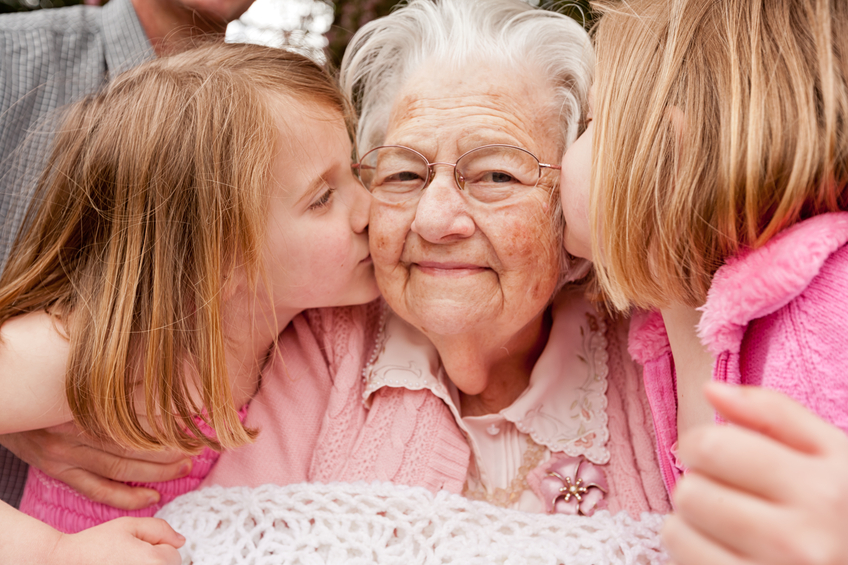
“What’s Up With Grandma?” Explaining Alzheimer’s & Dementia to Young Children
Words alone can’t describe the difficulty a family goes through when a loved one succumbs to dementia or Alzheimer’s disease. It’s hard seeing your parent’s slow but inexorable transformation into someone very different. But young children are often the most confused, and frightened. Why can’t their grandpa remember who they are? And why are they acting strange? Explaining these diseases to a child is difficult, but not impossible. Here are some ways you can explain to your child what Alzheimer’s disease and dementia are and what’s going to happen to their grandma or grandpa:
1) Talk to them: Children are smarter than we think. Don’t try to “protect them” by hiding what’s happening. Sit down with them and have a meaningful conversation about their grandparent. Answer any questions they have about Grandma or Grandpa’s unusual behavior and sayings. Ask questions! Find out more about their perspective and if they feel any different about their grandparent, especially if your parent did or said something that unintentionally hurt your child’s feelings.
2) Explain the circumstances as simply as possible: Don’t try to offer deep explanations or clinical instructions. Instead, use simple terms. “Grandpa has an illness that sometime comes with old age that makes him forget things.” “Grandma’s illness sometimes make think she’s in a different place”. Your child will not get it right away, but they usually accept the simple explanations, and they will question you further when they are ready to hear more. Try to be patient and provide as much reassurance as you can. As your child grows, you can provide more specific details about the diseases.
3) Be positive: As tough as it is to care for a parent whose is living with Alzheimer’s or dementia, keep smiling for the sake of your child. If the child sees that you’re still smiling and positive, they’ll be reassured that they don’t have anything to be worried about either.
4) Involve them: Every circumstance is different. If your parent’s Alzheimer’s or dementia isn’t too severe, you should still have your children spend time with them or involve them in their care, even if it’s just sitting and talking with their grandparent. If your parent lives in a nursing home or assisted living facility, take your children with you for your next visit. A simple walk, chat, or game can go a long way in make sure that your child still has a good relationship with their grandparent. It will lift your parent’s spirits, and yours as well.
It can be stressful making sure your parent is getting the treatment and the attention they need for their Alzheimer’s or dementia. Centers Health Care has several facilities with specific programs for those that have Alzheimer’s or dementia. Contact us today for more information. We’ll do all that we can to help you and your parent.
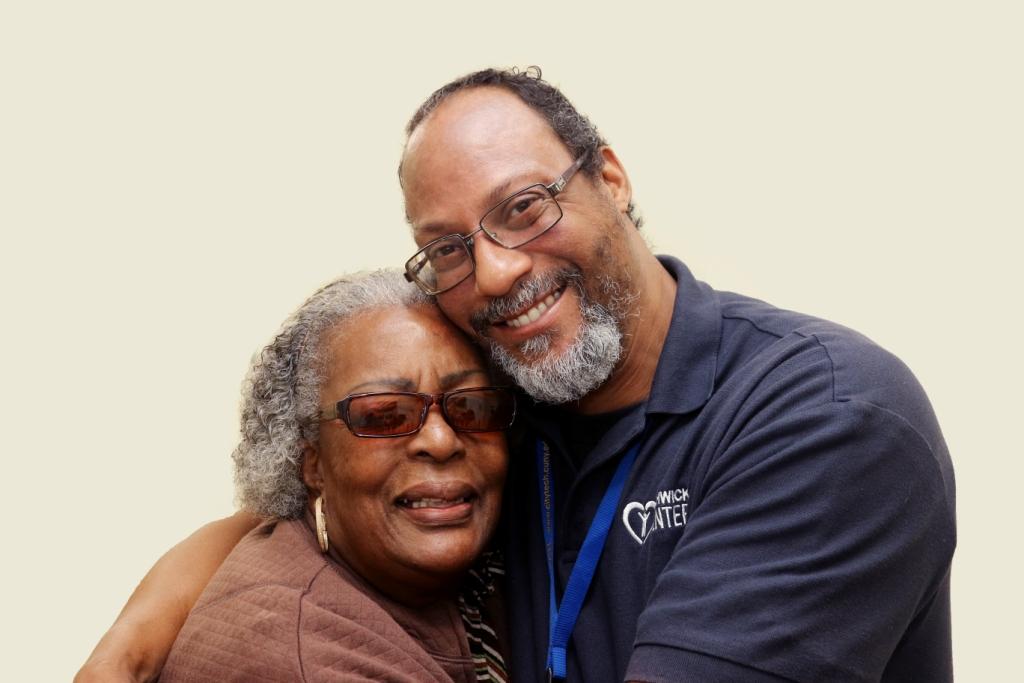
The Compassionate Bronx Center Therapy Team has Designed Effective Amputee Recovery and Training Programs
Life after losing a limb seems terrifying at first, but the team at Bronx Center is determined to help you get back to independent living in a safe and happy environment.
Bronx Center offers a comprehensive approach with its state of the art amputee recovery and training. Helping our short term residents return to full independence sooner, and helping our long term residents get back to doing the things they enjoy most, is how we earned such an outstanding reputation for amazing physical and occupational therapy.
We offer therapy six days a week, in our clean, modern facility. Our team of healthcare professionals use the latest techniques in combination with the best equipment to help you achieve startling results. In our customized amputee recovery and training programs, residents receive one to one training with a therapist to achieve goals the goals that our therapists and residents set together.
In conjunction with our physical therapy, we feature compassionate specialized therapy where residents can openly discuss their fears and concerns about life following amputation. With our beautifully landscaped enclosed courtyard and manicured lawns, Bronx Center has areas made for gentle relaxation and reflection. These extra touches are priceless, helping our patients not just physically but mentally and emotionally as well.
Bronx Center is part of the Centers Healthcare network; New York, New Jersey and Rhode Island’s premier group of skilled nursing, rehabilitation and senior care services. To speak to a healthcare specialist and find out more about Bronx Center, contact us by phone 24/7 at 718.863.6700, or visit us at 1010 Underhill Rd, Bronx, NY 10472.
Heart. Health. Home.